
Sri Lanka is an island of infinite variety, where a few hours of travel can transport you from misty tea plantations to sun-drenched tropical horizons. We have curated our destinations not just by their beauty, but by their rhythm—ensuring your journey flows naturally through the heart of our heritage and the wild pulse of our landscapes. Whether you seek the quiet solace of a mountain retreat or the vibrant energy of a coastal town, every stop on your itinerary is chosen for its authenticity and its story.
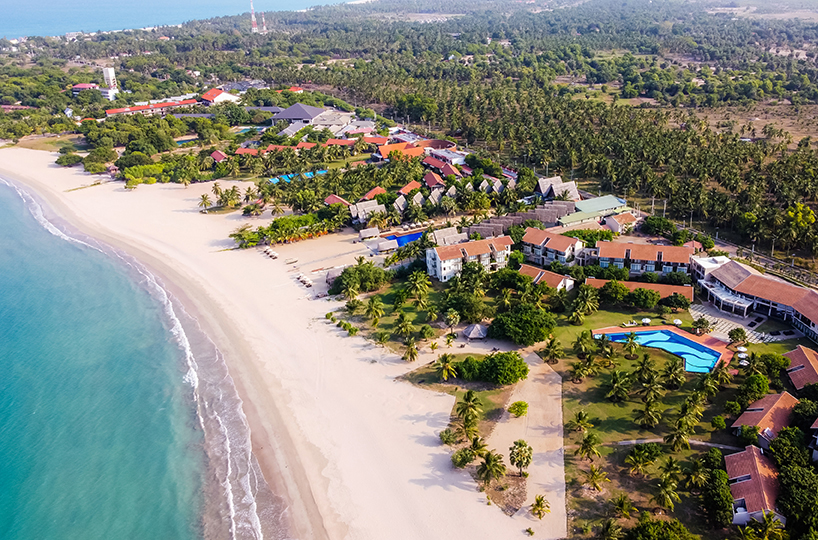
Pasikudah is famous for its breath-taking horseshoe bay and a sea that stays shallow for hundreds of meters, allowing you to walk far out into the ocean. This “Green Algae Bay” is a protected marine sanctuary, featuring one of the best-preserved reef systems in the country for diving and snorkelling. The area has been thoughtfully developed, with a string of high-end resorts offering total serenity and luxury on the water’s edge. It is a heavenly spot for those who want to float in warm, turquoise lagoons and enjoy the untouched tranquillity of the east.
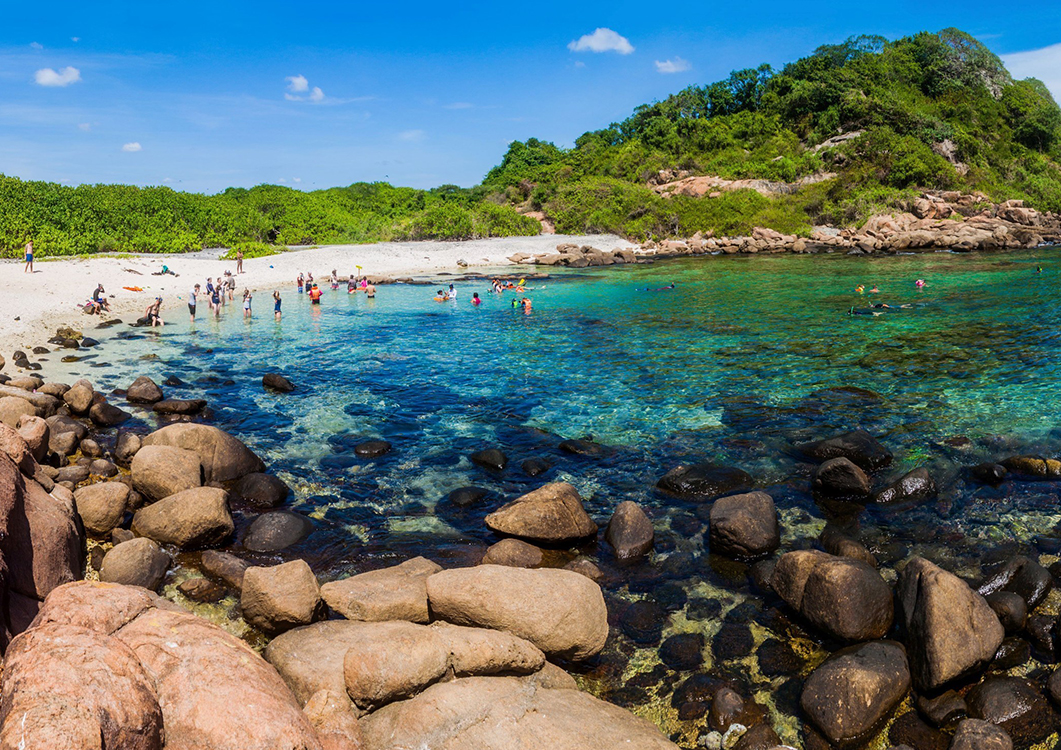
Nilaveli is a sanctuary of space and clarity, where the sand stretches wide and clean for kilometres along the northeastern coast. Here, life moves at a steady pace shaped by the tide and the local fishing routines rather than tourist schedules. The water stays shallow and glass-calm for much of the year, making it an ideal base for boat trips to the vibrant marine life of Pigeon Island National Park. It is the destination of choice for travellers who value simplicity and want to wake up to the sound of waves rather than the hum of traffic.
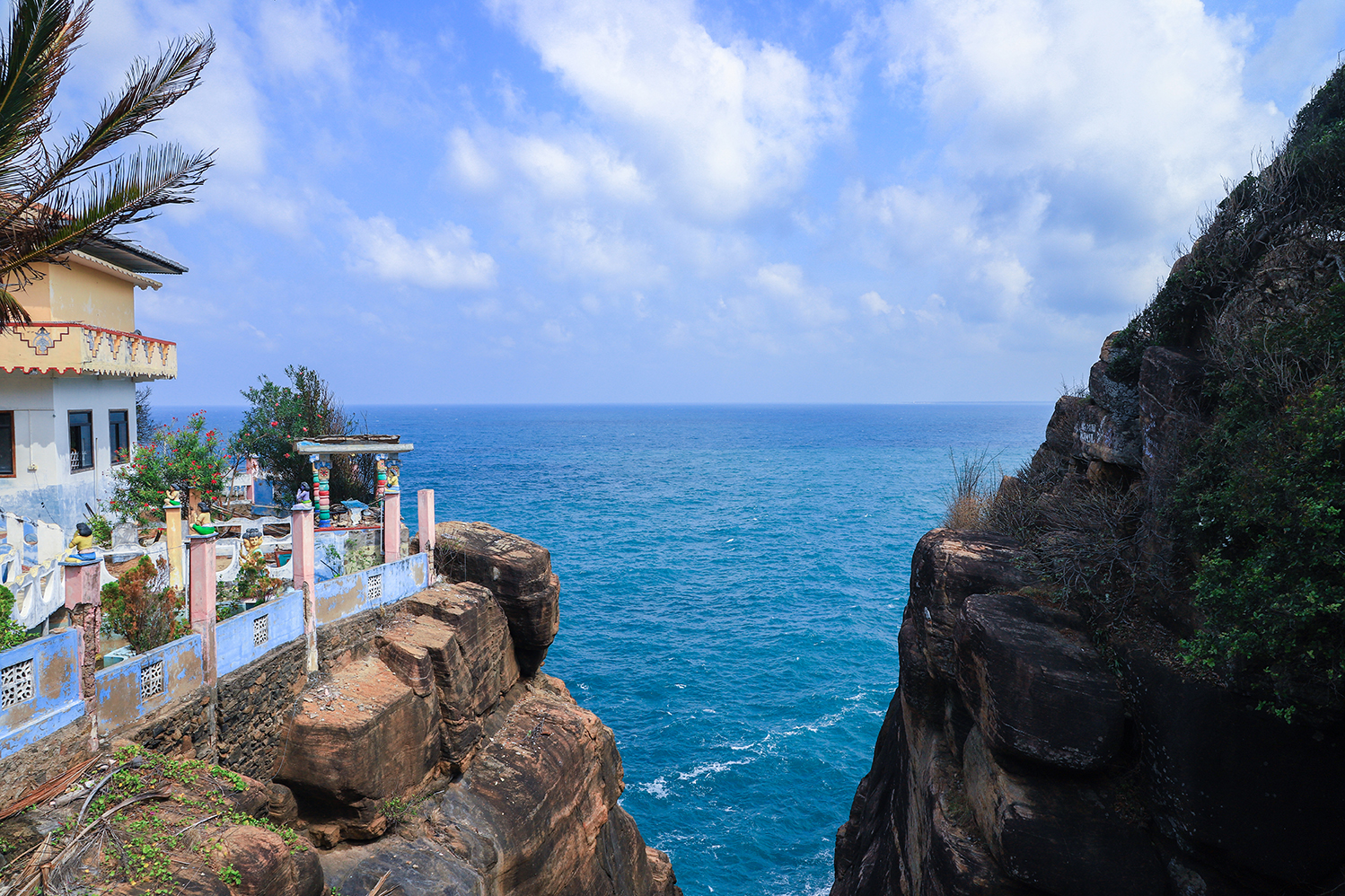
Trincomalee is the jewel of the East Coast, centred around one of the world’s most magnificent natural deep-water harbours. This historic city offers a profound blend of culture and nature, from the colourful Koneswaram Temple perched on a cliff to the herds of spotted deer roaming Fort Frederick. Between February and April, the deep waters become a theatre for mighty blue whales, while the nearby Pigeon Island offers world-class coral reef snorkelling. Its urban bays and pristine shores offer a quieter, more spiritual coastal experience than the busy south.

Hikkaduwa is the original heart of Sri Lanka’s surf and soul culture, known for its vibrant energy and world-famous coral sanctuary. The shallow reefs make it an effortless destination for snorkelling, where you can swim alongside giant sea turtles and schools of tropical fish just meters from the beach. As a pioneer of the island’s tourism, the town offers an eclectic mix of budget-friendly guesthouses and high-end resorts, alongside a legendary nightlife scene. It remains a destination that celebrates variety, from morning surf sessions to starlit beach parties.
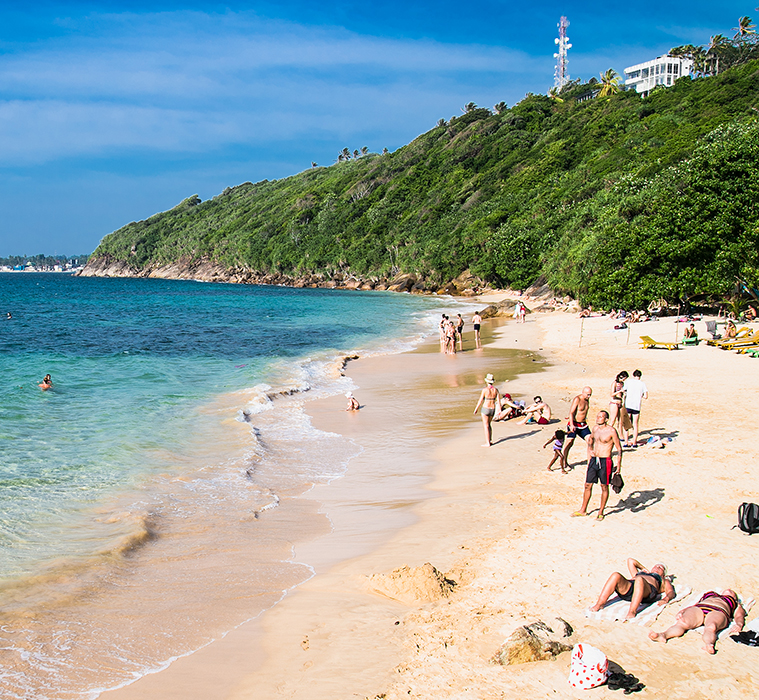
Unawatuna is a lively, banana-shaped bay renowned for its calm, turquoise waters that are safe for swimming year-round. This family-friendly destination is a hub for snorkelling reefs and turtle spotting, with green sea turtles often swimming remarkably close to the shore. The town’s narrow streets are packed with quirky cafes, yoga retreats, and artisanal shops that lead directly to the buzzing beachfront. For a quieter moment, a short hike through the greenery leads to the secluded Jungle Beach or the serene Japanese Peace Pagoda overlooking the ocean.

Often called “Little Rome” for its grand Portuguese-era churches, Negombo offers a warm and authentic introduction to life on the Sri Lankan island. Located just a short drive from the airport, it offers wide silver-sand beaches and bustling fish markets, offering a vibrant look at the local fishing culture. A sunset boat ride through the historic Dutch canals and the sprawling Negombo Lagoon reveals a peaceful world of mangroves and diverse birdlife. It is the perfect soft landing to reset and recharge before your journey into the heart of the island begins.
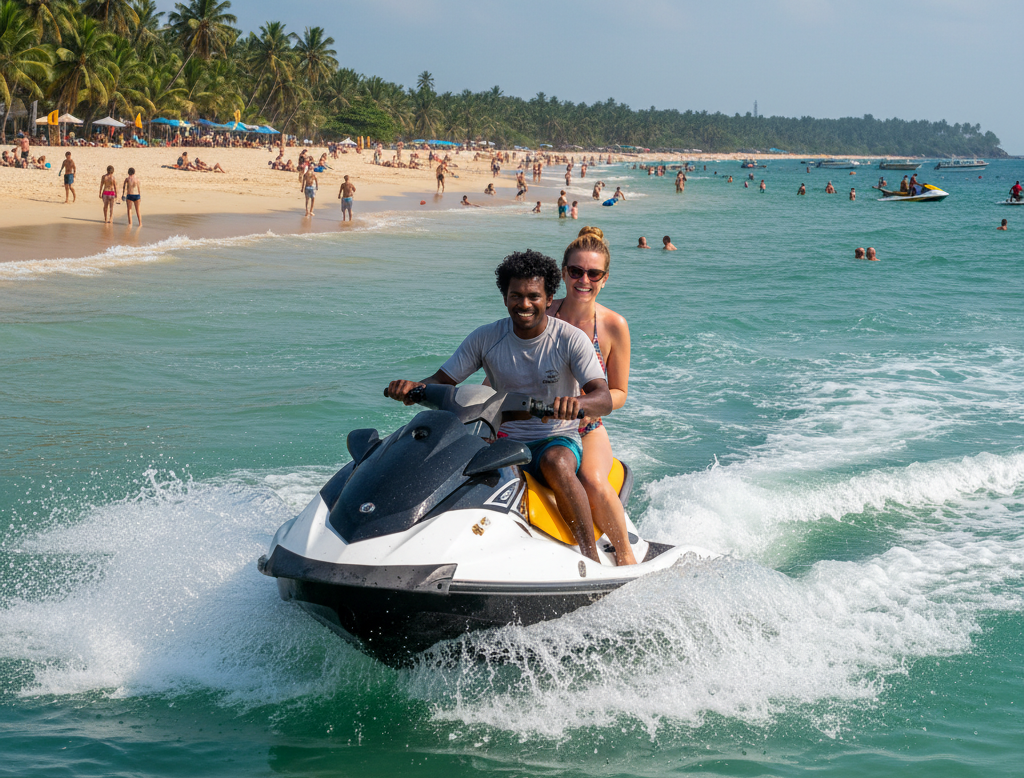
Bentota is a masterclass in tropical modernism, featuring the architectural legacy of Geoffrey Bawa nestled between the sea and the serene Bentara River. This destination is a playground for adventure, offering everything from jet-skiing and windsurfing to gentle river safaris through lush mangroves. The wide, pristine beaches are uniquely quiet, as luxury villas and boutique hotels are discreetly set back behind rows of corkscrew palms. It is a place where refined relaxation meets the thrill of the water, making it perfect for honeymooners and families alike.
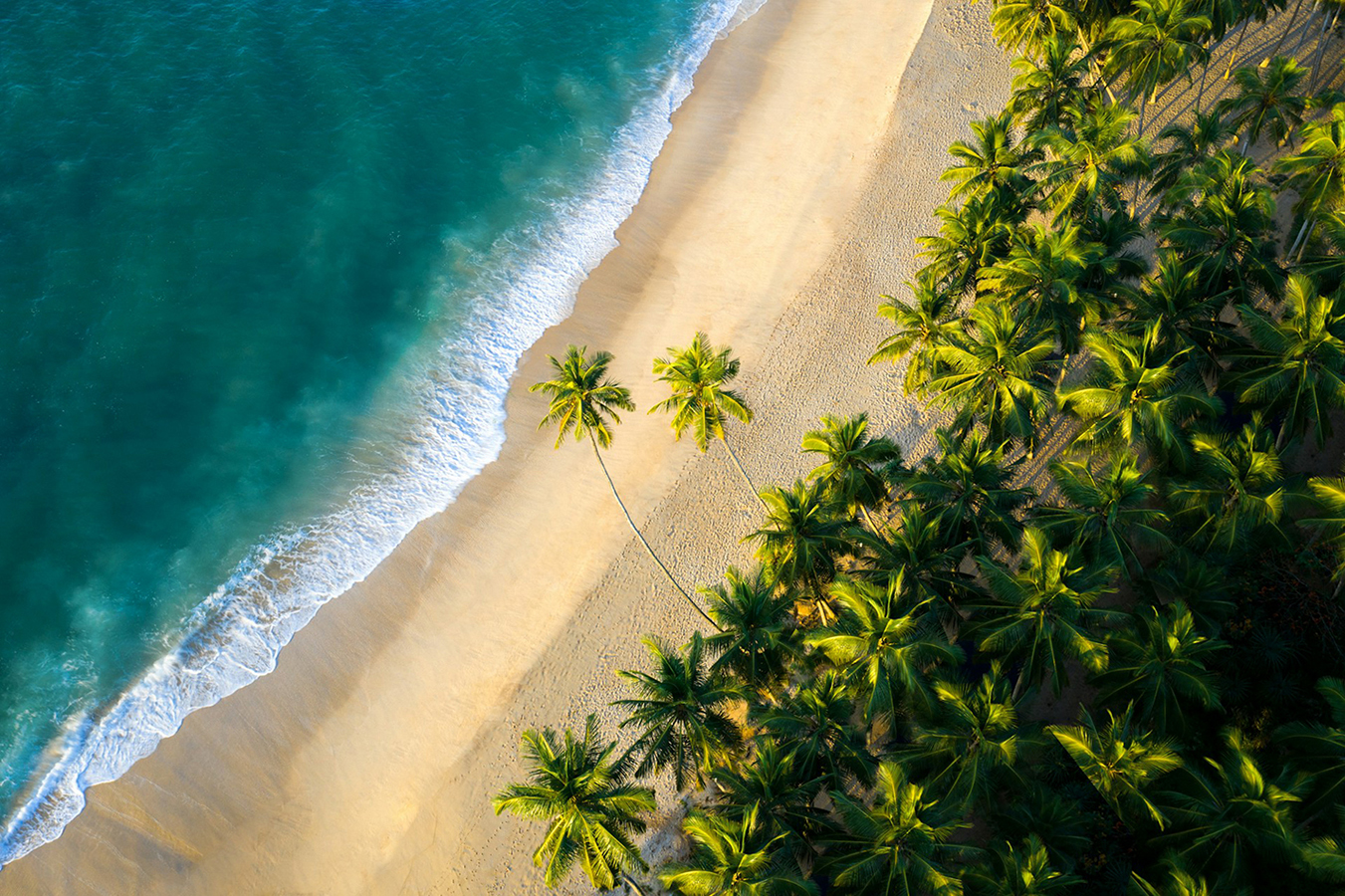
Known as the “hidden gem” of the south, Tangalle offers a more exclusive, wild coastal experience away from bustling crowds. Its endless stretches of golden sand and turquoise bays are home to some of the island’s most beautiful eco-luxury resorts tucked away in the jungle fringe. Nature lovers can witness a primal ritual at Rekawa Beach, where sea turtles come ashore under the moonlight to lay their eggs. It is the ultimate destination for those seeking tranquillity, privacy, and a deep connection with the island’s raw coastal beauty.
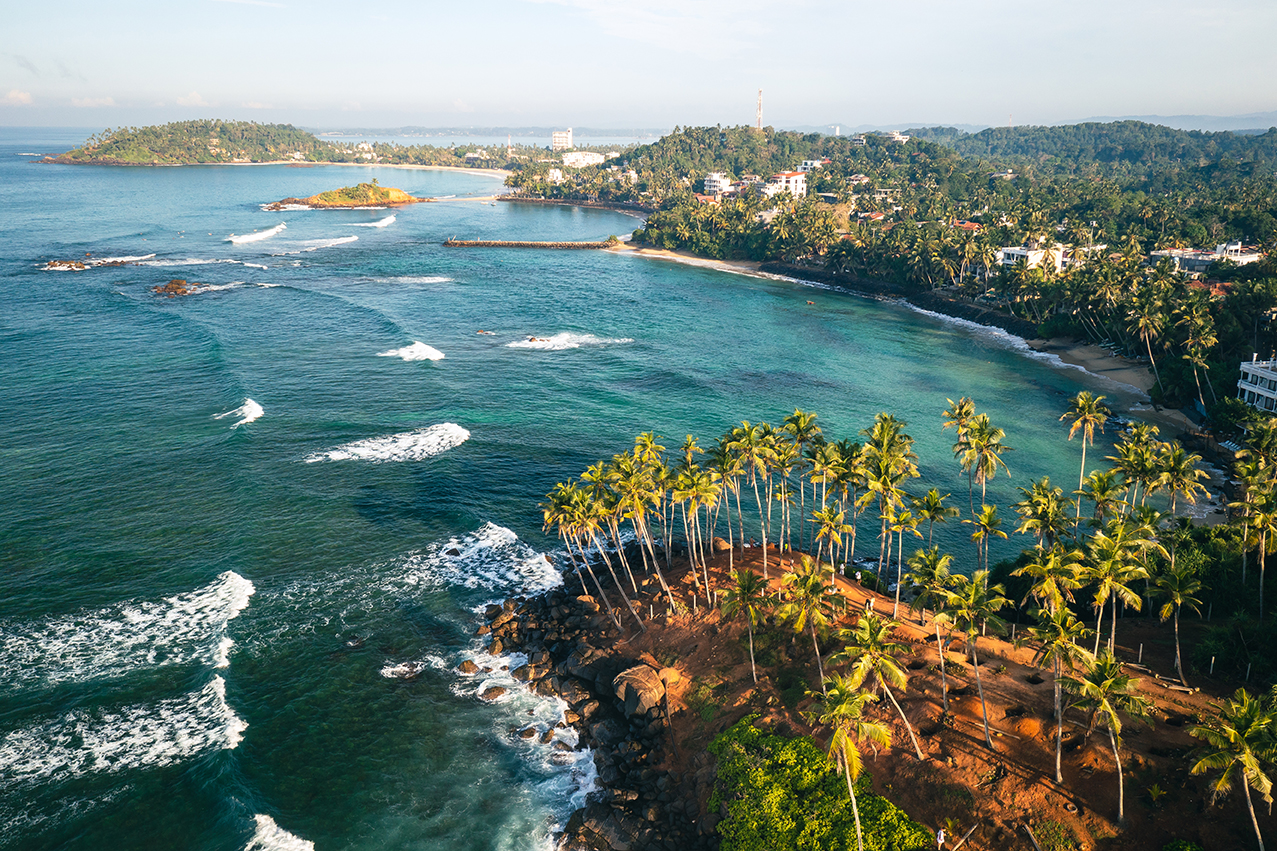
Mirissa is a crescent-shaped paradise that perfectly captures the laid-back rhythm of Sri Lanka’s southern coast. Famous as one of the world’s best whale-watching locations, it offers the rare chance to see blue whales and dolphins in their natural habitat. By day, the palm-fringed bay is a haven for surfers and sun-seekers, while the evenings come alive with candlelight seafood dinners served right on the sand. Whether you are climbing Parrot Rock for panoramic views or finding the “Secret Beach,” Mirissa remains a soulful favourite for every traveller.
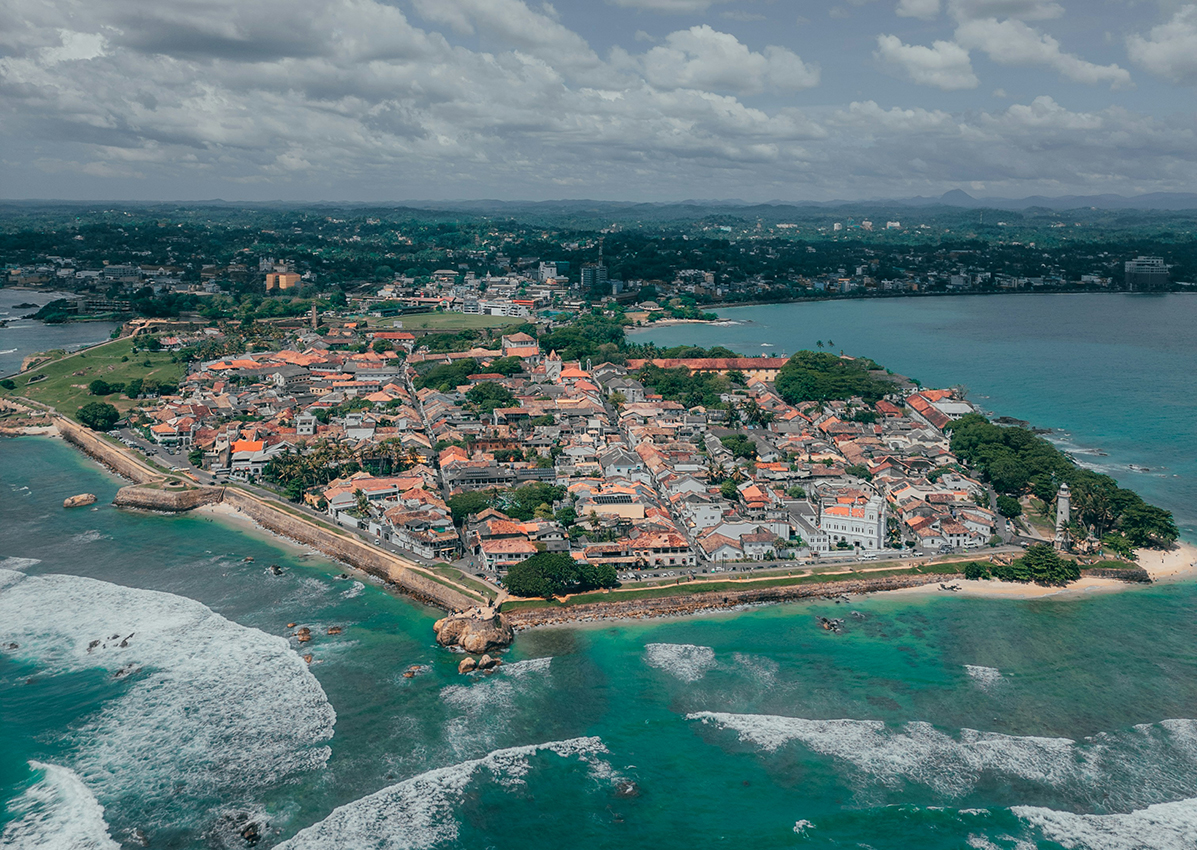
Step into a living time capsule where centuries of colonial history meet a vibrant, modern pulse within the iconic Dutch Fort. This UNESCO World Heritage site is a maze of narrow cobblestone lanes filled with heritage villas, chic boutiques, and world-class restaurants. As the sun begins to set, the ancient ramparts become a gathering place for travellers and locals alike to witness the sky transform over the Indian Ocean. Beyond the walls, the coastline offers a sophisticated blend of culture, history, and upscale seaside relaxation.
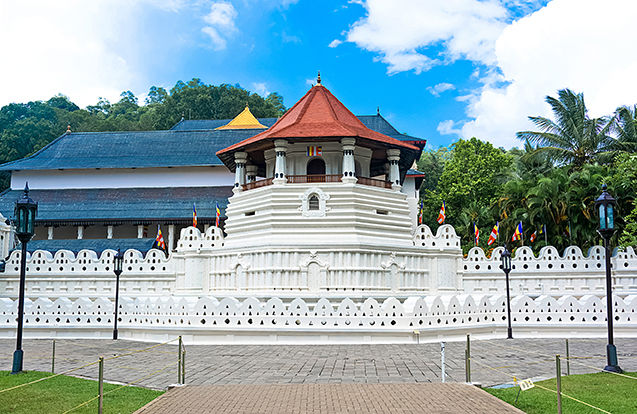
Nestled amidst the mist-covered hills, Kandy is the cultural soul of Sri Lanka and the final stronghold of the ancient kings. The city is anchored by the sacred Temple of the Tooth Relic, which houses the island’s most important religious artefact and serves as a focal point for daily rituals and vibrant processions. Life here centres around the serene Kandy Lake, where the reflection of the clouds and the golden roof of the temple create a scene of timeless beauty. With its colonial-era architecture, lush botanical gardens, and the rhythmic beat of traditional Kandyan drums, the city offers a rich, sensory immersion into the living traditions of the highlands.
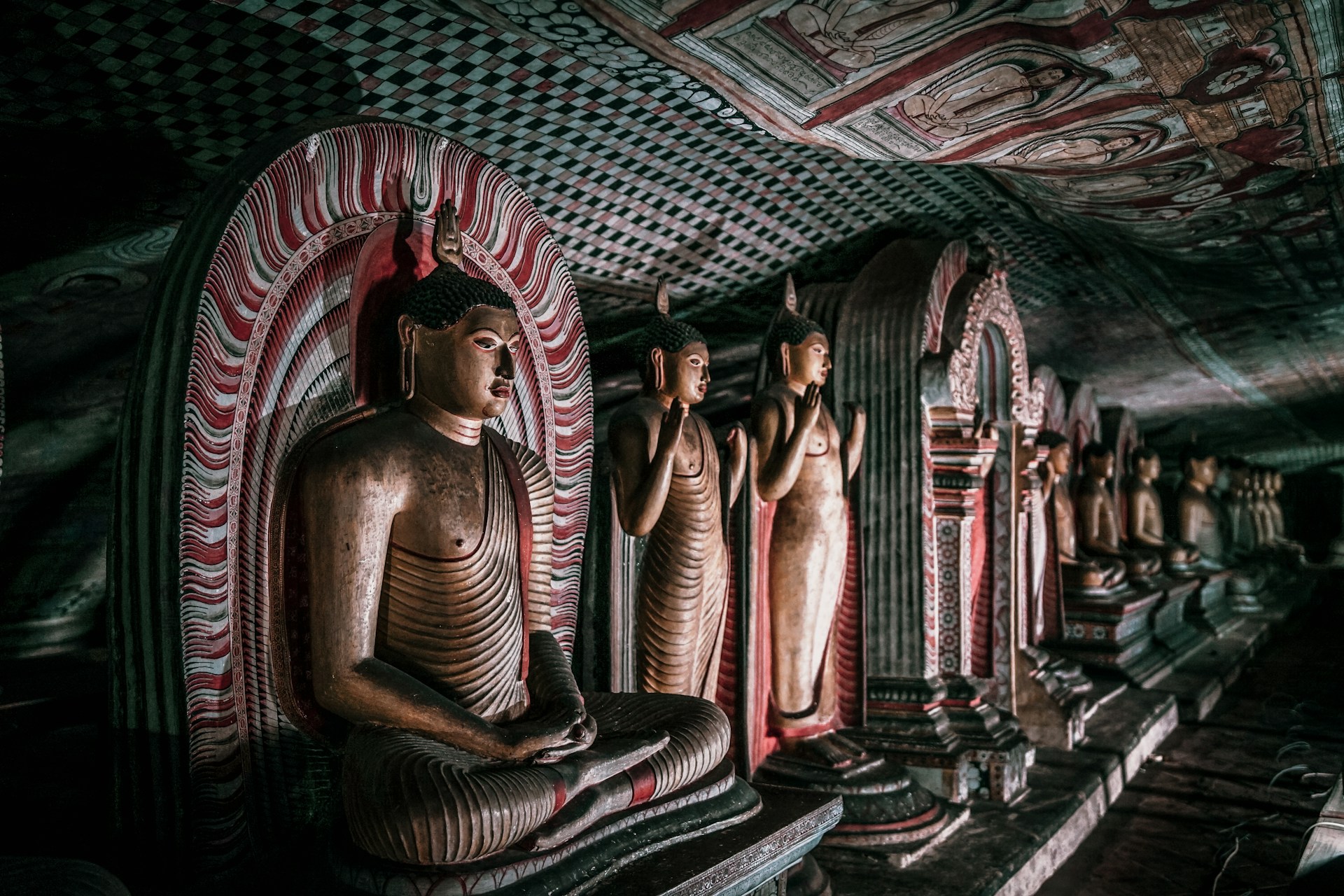
The Dambulla Cave Temple is a spiritual sanctuary that has been a place of pilgrimage for over 22 centuries, tucked away inside a series of five massive overhanging rocks. Inside these dimly lit caverns, you are met by a breathtaking gallery of over 150 gold-leafed Buddha statues and 2,100 square meters of vivid religious murals that cover the ceilings like a tapestry. The air inside is cool and heavy with incense, offering a profound sense of peace that contrasts with the bustling town below. From the temple entrance, the views stretch all the way to Sigiriya on the horizon, connecting these two great heritage sites through a single panoramic lens.
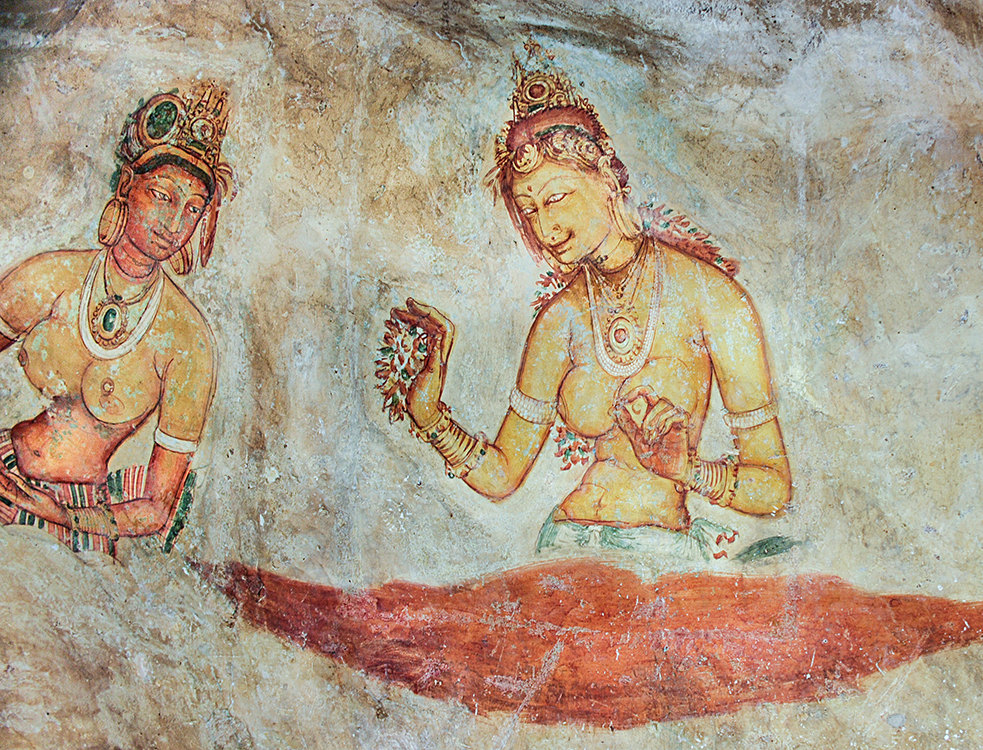
Often hailed as the Eighth Wonder of the World, Sigiriya is an awe-inspiring fortress carved out of a massive 200-meter-high rock rising abruptly from the jungle plains. Built by King Kasyapa in the 5th century, the climb to the summit takes you past the world-famous “Cloud Maidens” frescoes and through the massive stone Lion’s Paws that guard the final ascent. At the top, the ruins of a celestial palace offer 360-degree views of the emerald canopy below, revealing the sophisticated water gardens that sit at the rock’s base. It is a masterpiece of urban planning and artistic daring that leaves every visitor breathless.
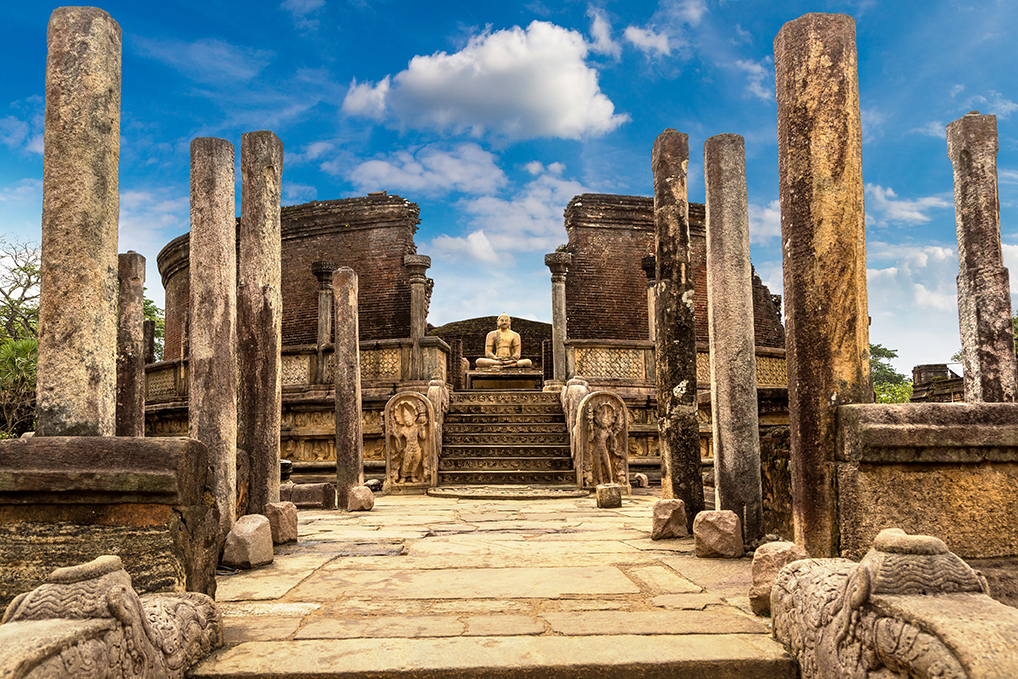
Rising to prominence after the fall of Anuradhapura, Polonnaruwa represents the medieval golden age of Sri Lankan art and architecture. This compact archaeological park is best explored by bicycle, allowing you to breeze between the monumental Gal Vihara—where four massive Buddha figures are carved into a single granite cliff—and the soaring walls of the ancient Royal Palace. The city’s “Sea of Parakrama,” a man-made reservoir of staggering scale, proves that the ancient kings were as much master engineers as they were patrons of the arts. Here, the ruins are remarkably well-preserved, offering a vivid window into a time of kings, trade, and architectural brilliance.
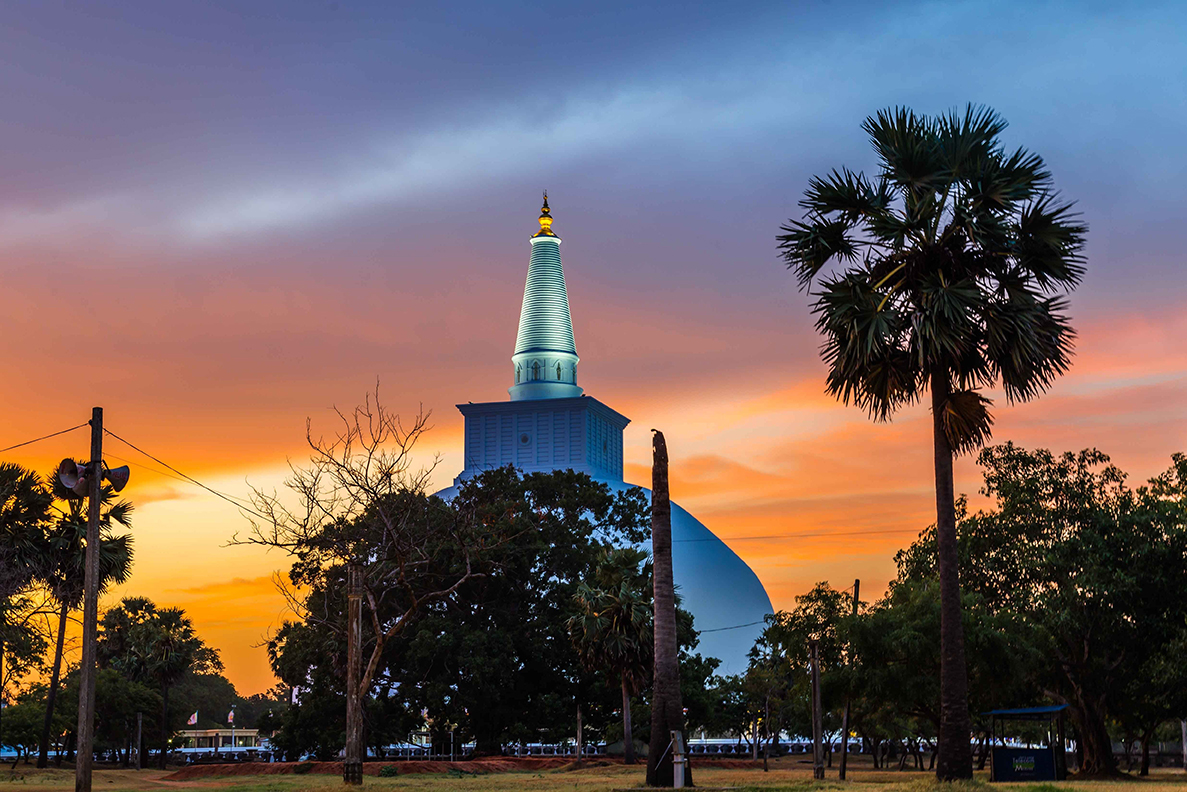
As the first grand capital of ancient Sri Lanka, Anuradhapura stands as a sprawling testament to a civilisation that flourished for over a thousand years. This UNESCO World Heritage site is home to some of the world’s tallest brick stupas, reaching toward the sky like mountains of faith. At its heart lies the Jaya Sri Maha Bodhi, the oldest documented tree in the world, which serves as a living link to the very beginnings of Buddhism on the island. Wandering through the vast complex of ruined palaces, monastic baths, and intricate moonstones, travellers feel the weight of an empire that mastered both spiritual devotion and hydraulic engineering. It is a destination for those who wish to walk through the silent, sacred halls of history.
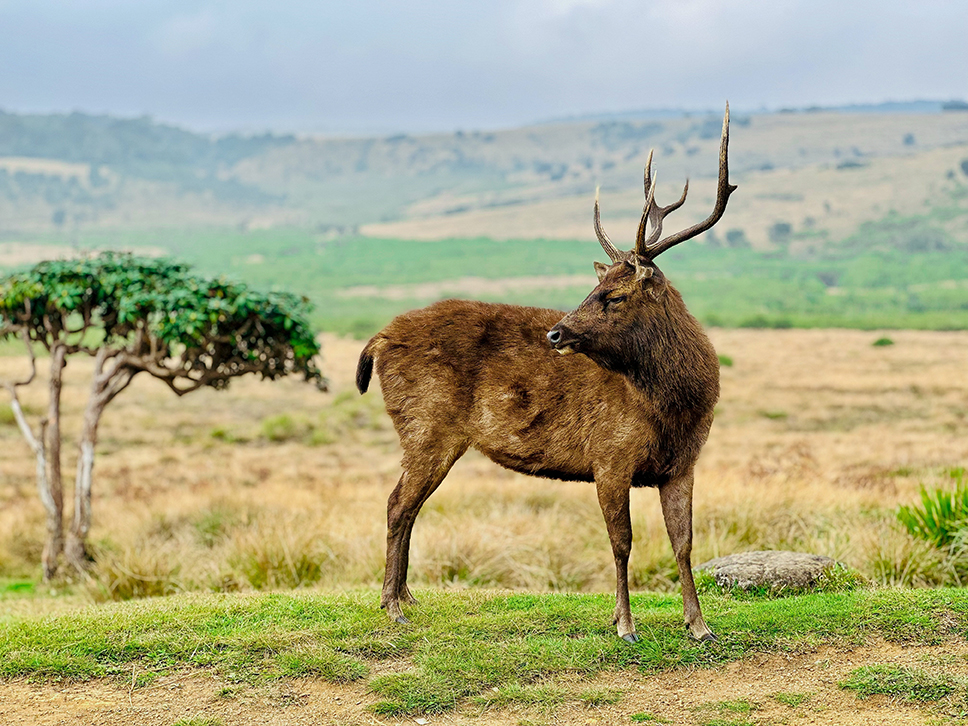
Horton Plains National Park is a hauntingly beautiful highland plateau where silent grasslands meet dense montane cloud forests. This UNESCO World Heritage site is home to “World’s End,” a sheer precipice that drops nearly 1,000 meters, offering a dizzying and spectacular view that stretches all the way to the Indian Ocean on clear days. The park is a haven for biodiversity, where you might spot the majestic Sambar deer grazing in the mist or the rare leopard prowling through the shadows. A trek here is a journey through a primordial landscape, culminating in the thunderous beauty of Baker’s Falls as it tumbles over the ancient stone.
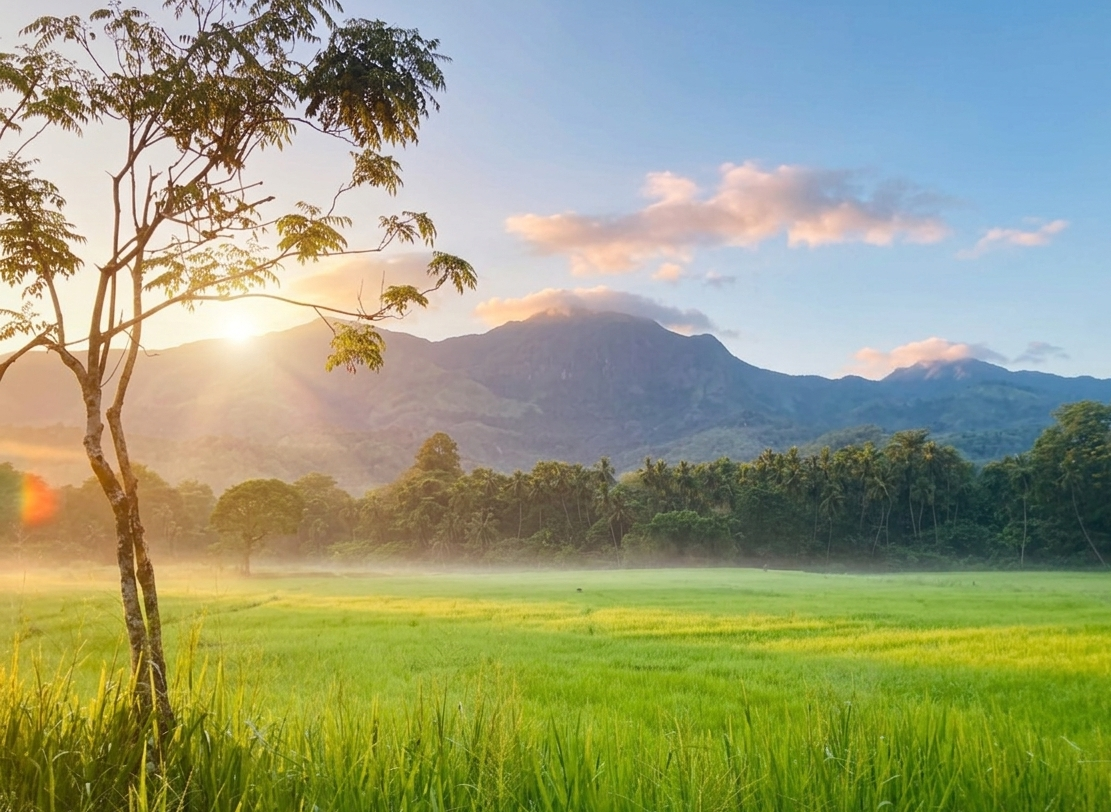
Located in the peaceful transition zone between the mountains and the plains, Kaduruketha offers a unique “paddy-field” experience that focuses on the rhythm of traditional rural life. This destination is for the traveller who seeks a deeper connection with the land, staying in eco-resorts that overlook sprawling rice terraces and ancient irrigation canals. The pace here is dictated by nature; you can cycle through sleepy villages, watch local farmers at work, or spot rare birds flitting through the forest canopy. It is a hidden sanctuary that celebrates the agricultural soul of Sri Lanka, providing a calm, grounded contrast to the dramatic heights of the highlands.
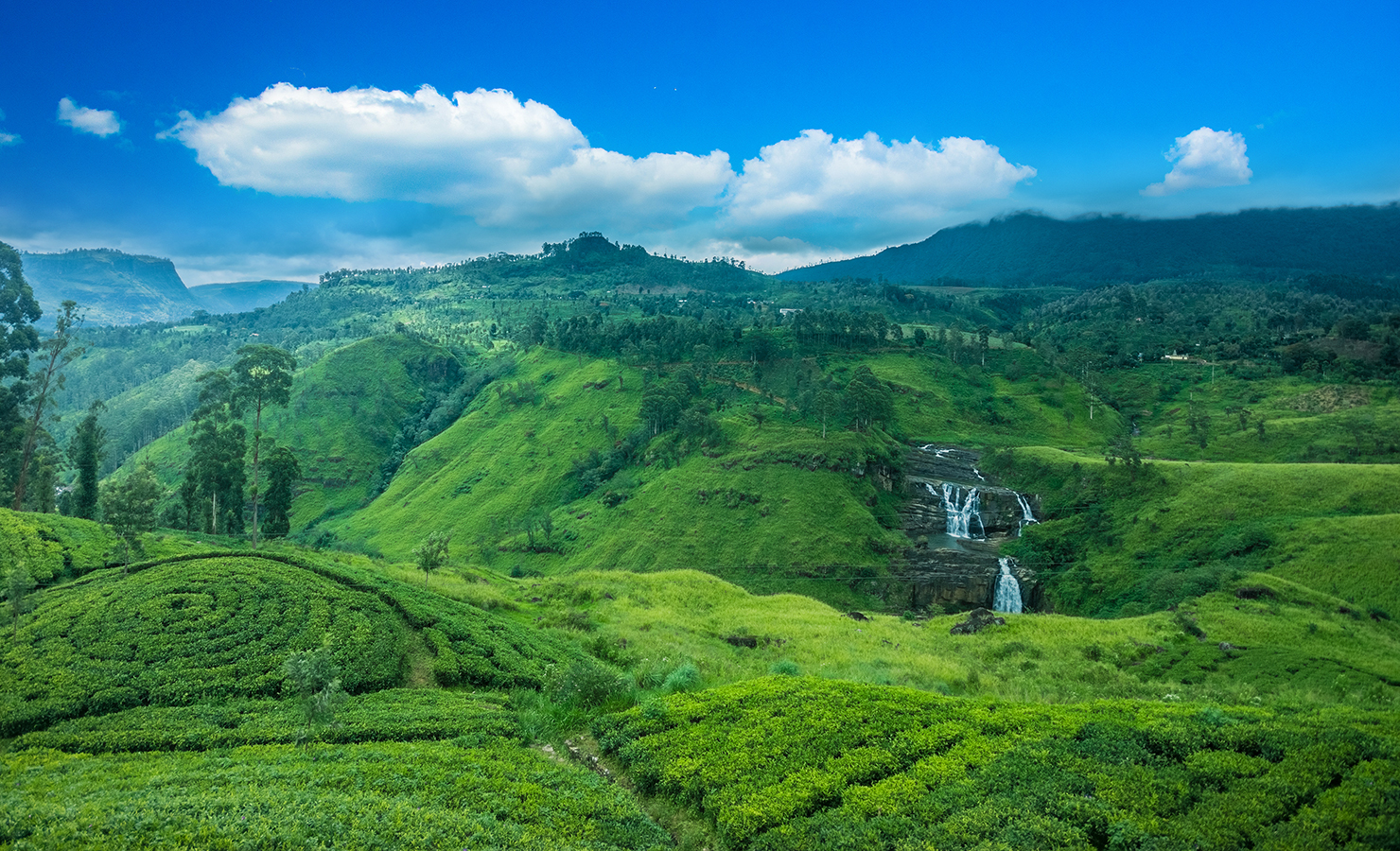
Hatton serves as the prestigious gateway to the tea country’s most exclusive “Golden Valley,” where the world’s finest Ceylon tea is grown. This region is defined by its quiet luxury, with restored tea planter bungalows offering a glimpse into a bygone era of elegance and tranquillity. It is the ideal base for those wishing to summit Adam’s Peak, the sacred mountain where pilgrims of all faiths gather to witness a sunrise that casts a mystical shadow across the clouds. Surrounded by the shimmering waters of the Castlereagh Reservoir, Hatton provides a serene escape where the only sound is the gentle rustling of the tea bushes.
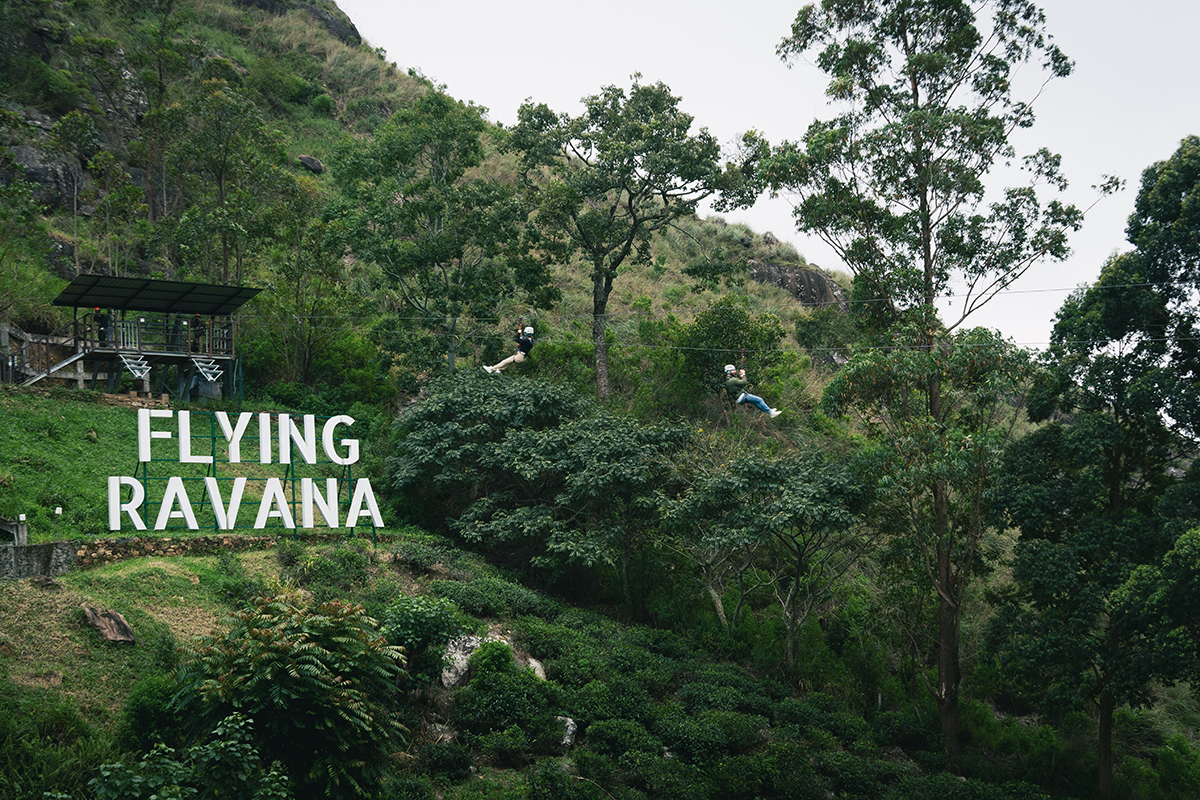
Ella is a mountain village that has become a sanctuary for those seeking breathtaking vistas and a laid-back, soulful atmosphere. It is home to the world-famous Nine Arch Bridge, a soaring colonial-era railway viaduct that appears to emerge almost magically from the dense jungle foliage. A hike up Little Adam’s Peak or Ella Rock rewards you with sweeping views of the Ella Gap, where the highlands drop away to reveal the distant southern plains. After a day of exploring hidden waterfalls and secret caves, the town’s vibrant main street offers a welcoming mix of cosy cafes and starlit terraces.
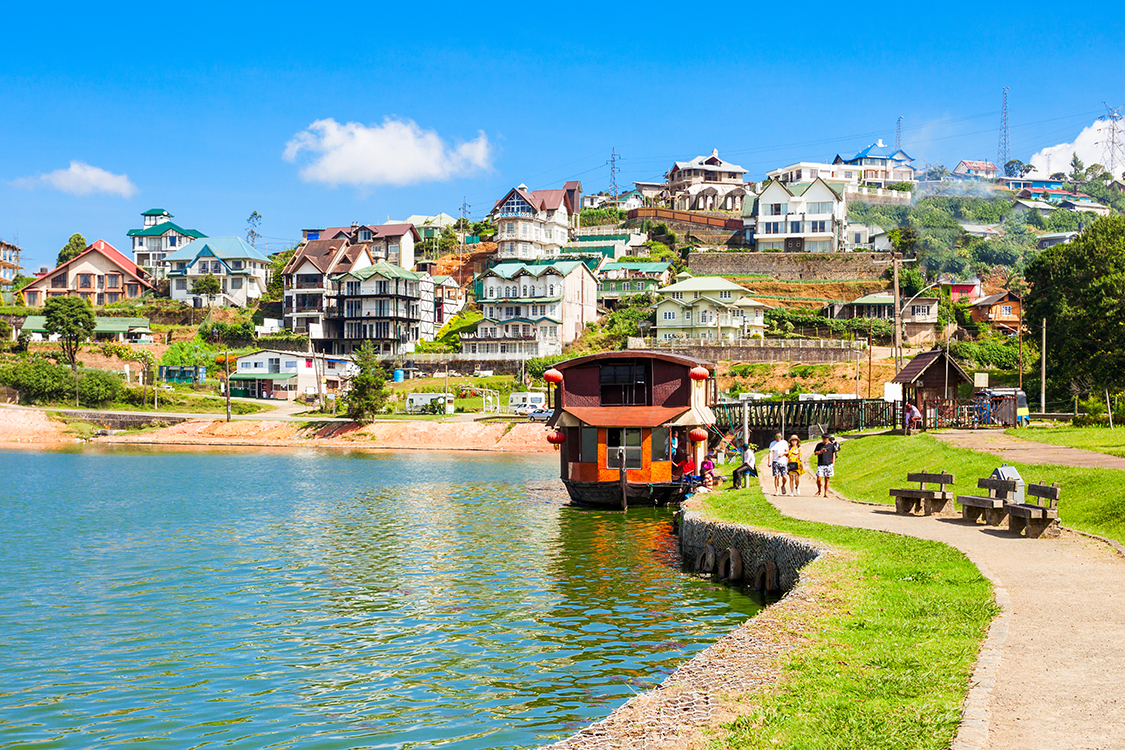
Often referred to as “Little England,” Nuwara Eliya is a nostalgic retreat where colonial-style bungalows and rose gardens are nestled amid misty, rolling tea estates. The air here is crisp and cool, a refreshing departure from the tropical heat of the coast, making it the perfect setting for a traditional high tea overlooking Lake Gregory. As the heart of the island’s tea industry, the town is surrounded by historic factories where you can witness the century-old craft of tea production from leaf to cup. Whether you are golfing on one of Asia’s oldest courses or wandering through the vibrant stalls of the local market, Nuwara Eliya offers a refined charm that feels frozen in time.
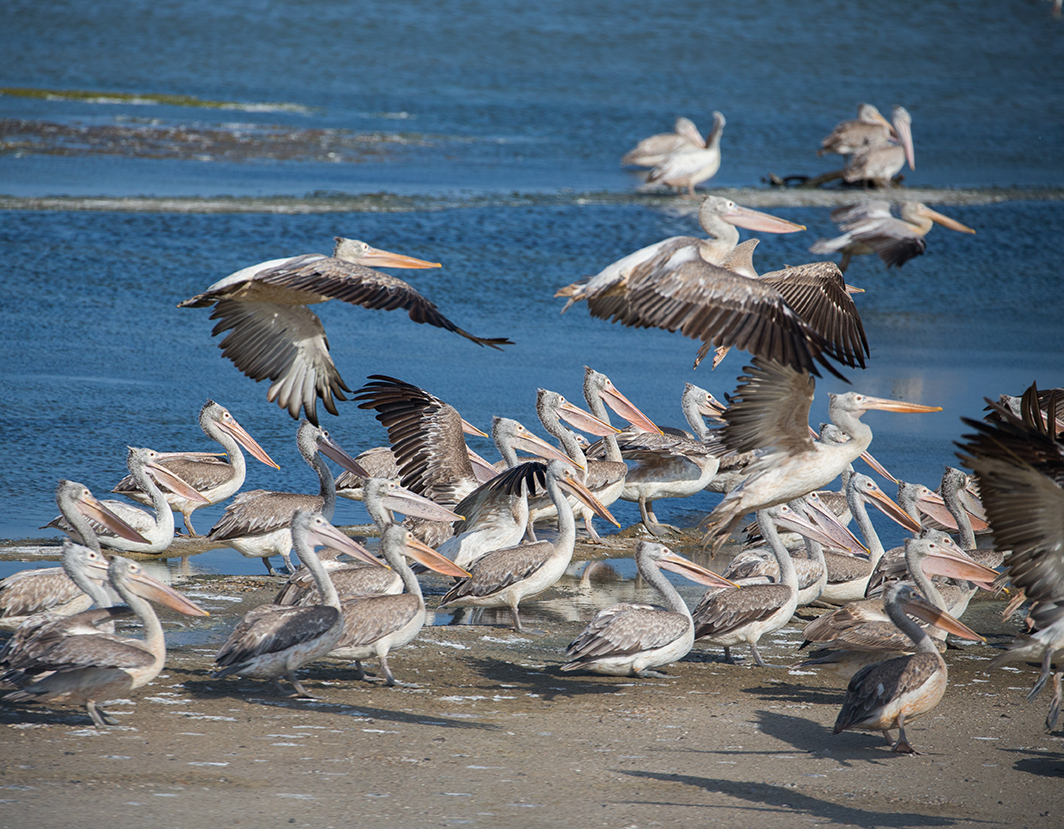
Bundala is a birdwatcher’s paradise and a UNESCO Biosphere Reserve, known for its intricate network of waterways, lagoons, and shimmering salt pans. As the first Ramsar wetland in Sri Lanka, it serves as a critical wintering ground for migratory birds, including thousands of greater flamingos that paint the lagoons pink during the northern winter. The park’s diverse ecosystems also support a modest population of elephants, crocodiles, and the rare fishing cat, providing a well-rounded wildlife experience. Its coastal location means you might even see sea turtles nesting on its golden beaches under the moonlight. Bundala offers a peaceful, scenic alternative for those who wish to soak in the island’s extraordinary biodiversity at a slower pace.
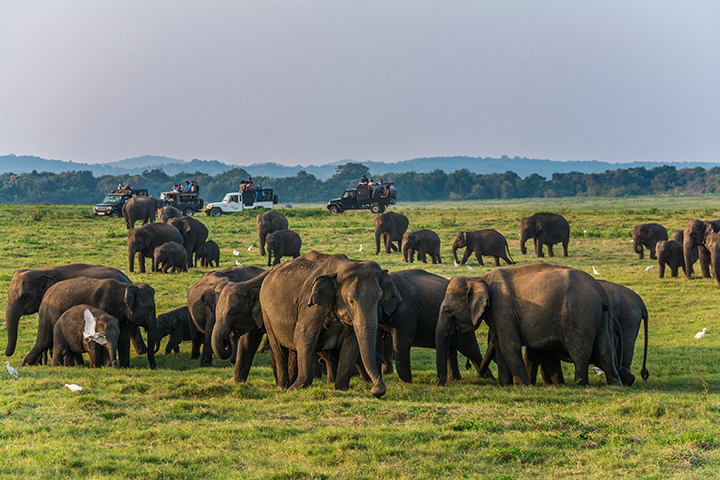
Minneriya is home to one of the most spectacular wildlife events in the world: “The Gathering.” During the dry season from July to September, hundreds of Asian elephants migrate to the receding shores of the ancient Minneriya Tank to feast on fresh grass and socialise in massive herds. This natural phenomenon is a breathtaking display of family bonds and raw nature, often featuring up to 300 elephants in a single vista. Even outside of peak season, the park’s mixture of wetlands and tropical forest remains a vital corridor for leopards, sloth bears, and over 160 species of birds. It is a place where ancient engineering and wild biodiversity exist in perfect, enduring harmony.
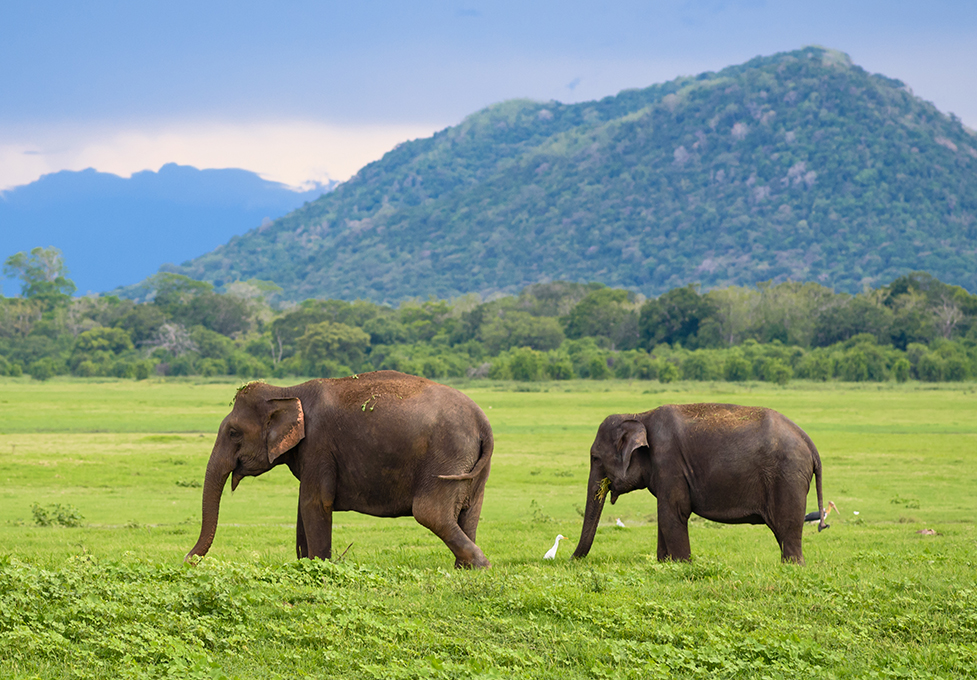
Udawalawe is widely considered the best place in Asia to see wild elephants year-round, with a resident population of several hundred roaming its open grasslands. The park’s centrepiece, the vast Udawalawe Reservoir, creates a stunning landscape that resembles an African savannah, making wildlife spotting remarkably easy. A highlight for many is the nearby Elephant Transit Home, where orphaned calves are rehabilitated before being released back into the wild. Aside from the gentle giants, you can spot water buffalo, spotted deer, and a kaleidoscope of raptors soaring above the scrublands. It is a destination that guarantees meaningful encounters with the island’s most iconic inhabitants.
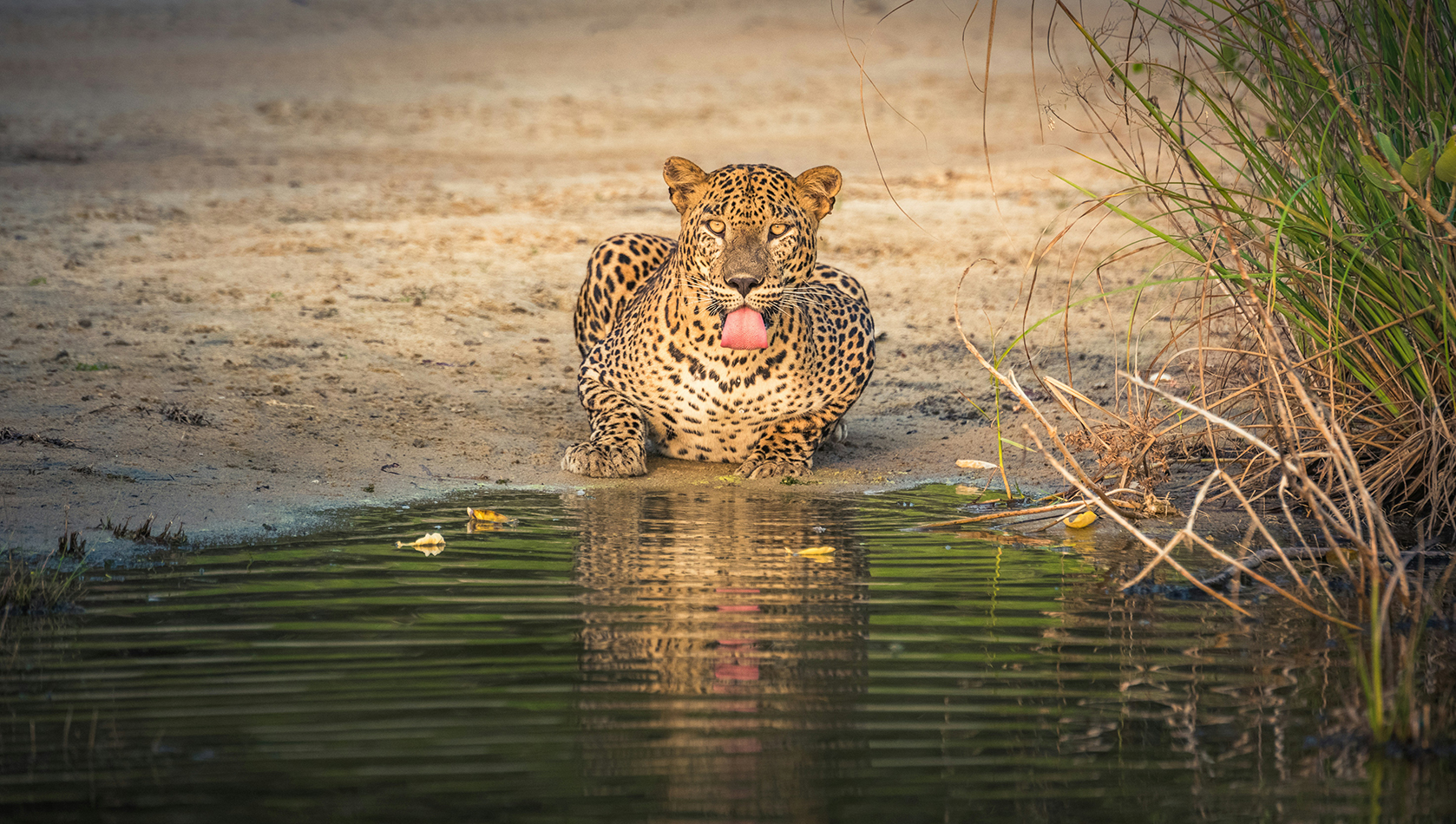
As the oldest and largest national park in the country, Wilpattu offers a uniquely serene and “off-the-beaten-path” safari experience. The park is characterised by its “Villus”—a series of natural, rainwater-fed lakes with silver-sand rims that attract a stunning variety of wildlife. Here, the dense forest provides a more intimate setting for spotting leopards and sloth bears, often without the crowds found in other parks. The park’s historical significance is equally profound, with legends suggesting it was the landing site of Prince Vijaya, the founder of the Sinhalese kingdom. For those who value silence, space, and a sense of discovery, Wilpattu is a sanctuary for the soul.
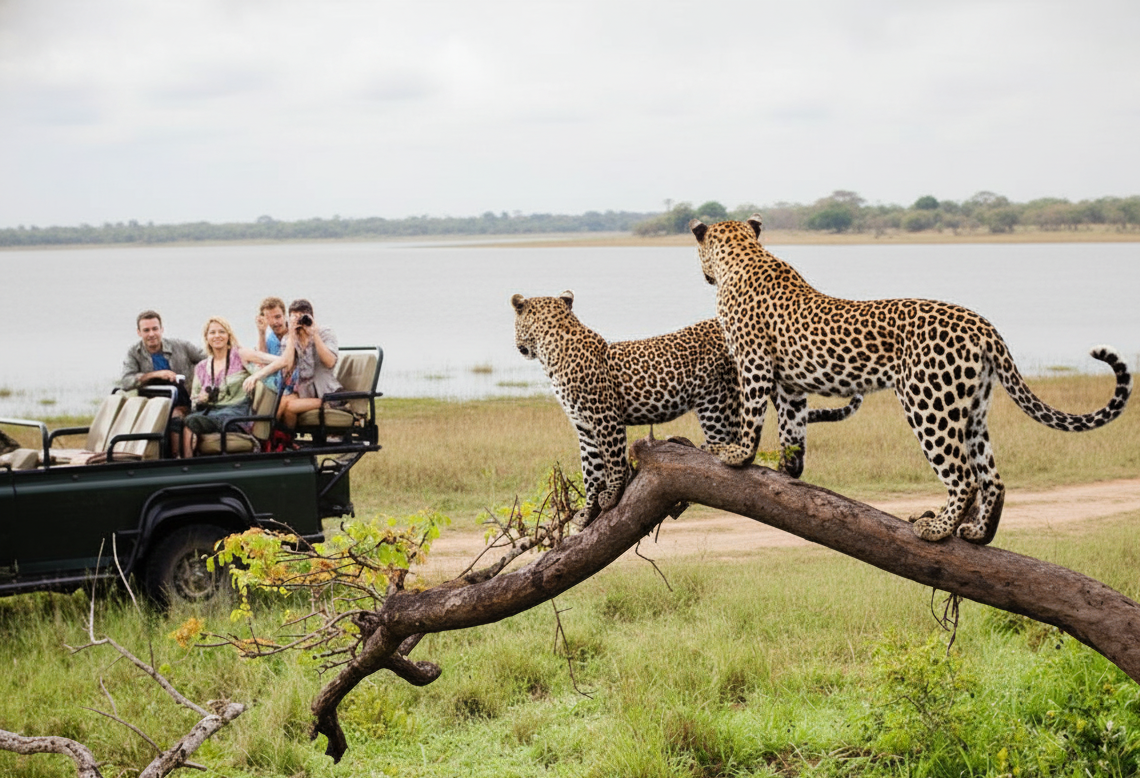
Yala is the crown jewel of Sri Lanka’s wildlife reserves, a sprawling mosaic of dry-zone forests, grassy plains, and dramatic coastal dunes. It is world-renowned for its high leopard density, offering a rare opportunity to witness these elusive big cats in their natural habitat. Beyond the leopards, the park is a theatre for elephants, sloth bears, and crocodiles, all set against a backdrop of ancient ruins that speak to a civilisation long reclaimed by the jungle. Whether you are navigating the popular Block 1 or seeking the quiet solitude of the outer zones, Yala delivers an intense and unforgettable safari experience. It is where the raw power of nature meets the breathtaking beauty of the Indian Ocean.